Change In Food Stamp Program Requires Some Recipients To Find Employment
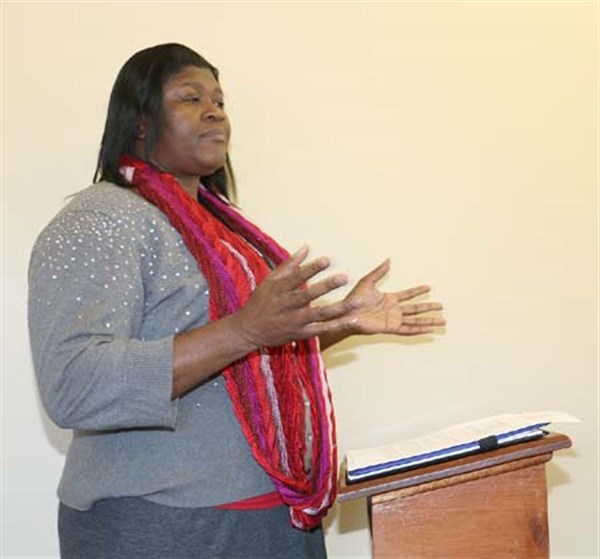
Jean Anderson, County Director of the Department of Human Services, told supervisors that almost 300 recipients of the Supplemental Nutrition Assistance Program in the county must find employment or they will lose their benefits.
Change In Food Stamp Program Requires Some Recipients To Find Employment
By David Howell
Editor
WATER VALLEY – Starting January 1, approximately 300 recipients of food stamps in Yalobusha County will no longer be eligible for benefits unless they
find
employment.
Speaking at the “first Monday” supervisor meeting in Water Valley on Dec. 7, Department of Human Services County Director Jean Anderson told supervisors she was working to find employment for the recipients of the Supplemental Nutrition Assistance Program (SNAP), formerly known as the food stamp program. Anderson explained to supervisors that approximately 300 recipients, ages 18 – 49, in the county, defined as ABAWDs or (Able-Bodied Adults Without Dependents), receiving SNAP benefits must find employment by January 1.
“They are going to have to go to work. They can no longer receive benefits without working,” Anderson told supervisors. Her pitch to county officials was free labor, a minimum of 20 hours a week, if the county could find employment for one or more of the SNAP recipients. Instead of the county paying for the labor, the worker would be compensated by the monthly value of the SNAP benefit.
Anderson explained many of the recipients affected by the new requirement are able to work but do not have employment. She also explained most are receiving the maximum SNAP benefit, which is $194 per month for a one-person household and the recipient needs to work at least 20 hours a week to offset the benefits. She also said there are exemptions for some of the SNAP recipients classified as ABAWD, including women who are pregnant or recipients taking care of an incapacitated person.
She also explained the SNAP recipients classified as ABAWD had previously been under a waiver for almost 10 years, but that was lifted at the end of 2015. A drawback cited by Anderson is the county would be liable if one of the workers was injured on the job.
“In our attempt to help somebody, we don’t want to get sued,” Board President Tommy Vaughn said as the legalities of the employment were discussed following Anderson’s pitch.
“Where could they work?” Board Attorney John Crow asked about potential jobs available in the county offices.
“We might could use them in the Multi-purpose Building, cleaning that up,” Vaughn cited as one possible job example.
The request was ultimately tabled to allow Crow to research the county’s liability before supervisors decide if they want to utilize the free labor.