Lingering Issues Roll Over To New Year

Editor
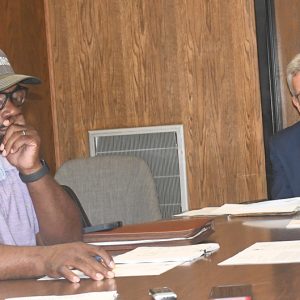
WATER VALLEY – When the first board of supervisors’ meeting gets underway next Tuesday in Coffeeville, there are lingering issues and routine matters that will be addressed.
Supervisors will appoint a board president and board attorney, a ritual that comes at the first meeting each year. Among lingering issues are equalizing the population in the county’s five beats, making a decision on whether or not to replace the county’s aging jail and possibly adopting a county-wide vicious dog ordinance.
Redistricting
Work to redistrict the county’s five beats was pushed to the new year after county officials delayed adopting new lines until after the county election. Redistricting is required after 2010 Census data indicated the population of Yalobusha’s five supervisor districts goes from a high of 2,758 in District 1 to a low of 2,300 – a total deviation of 18.06 percent.
In May, the board hired the John C. Stennis Institute of Government at Mississip-pi State to help with the process. During a work session in June, a number of different plans were identified. At that time, tentative plans were made to schedule public hearings as soon as supervisors are satisfied with new beat lines that meet Department of Justice (DOJ) approval.
The hearings will include large maps for public scrutiny prior to the final adoption. Following the hearing, the new plan will be submitted to the DOJ for final approval.
Jail
The outdated county jail has been in the limelight for several years as supervisors have contemplated options to replace the 1964-model facility. Two key factors have driven this movement – overcrowding and state scrutiny.
Since 2008 supervisors have wrangled with prisoner rights attorney Ron Welch when he compared the facility to a dungeon.
At that time Welch obtained a federal court order imposing a strict deadline in which the county must show “good cause” that a new jail was in the works or the county would loose the right to house state prisoners.
Although Welch’s jurisdiction and the court order pertained solely to state inmates classified to work, the issue also touched off a broader discussion about the outdated jail that houses a total of 24 prisoners in the months and years following Welch’s visits.
Ironically a film crew with the University of Mississippi’s Media and Documentary Projects Center used the jail as a setting for a film in January.
The Yalobusha jail was chosen for the film project because it is the only facility producers could find with old-fashioned jail cells.
“We were looking for a jail with bars and this is the only one left in the area,” Joe York, director of the documentary, told the Herald.
As recent as December 14, funding for the jail was among topics discussed at the county meeting.
Vicious Dog Ordinance
Periodically complaints about vicious dogs surface at county meetings and a common theme always emerges – deputies have little authority to address a dog complaint unless the dog has already attacked a person or animal.
The discussion went deeper following a July complaint when supervisors instructed Board Attorney John Crow to research a potential ordinance regulating vicious dogs in the county.
In September, Crow updated county officials at Tuesday’s supervisor meeting in Coffeeville, explaining that the ordinance could address individual dogs that are known to be dangerous on a case-by-case basis, address entire breeds of dogs or a combination of both.
Supervisors have been adamant, both in the July and September meetings, that the county would not implement any type of leash law. While no action has been taken, this issue could be back on the agenda in 2012.